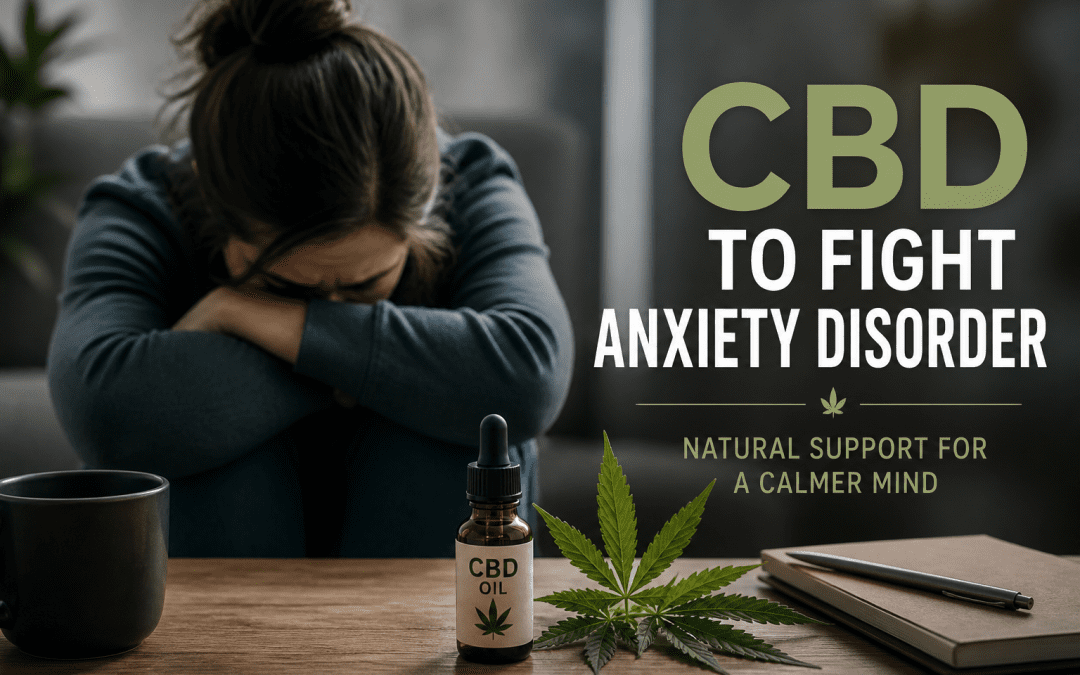
CBD to Fight Anxiety Disorder
Anxiety disorders are among the most common mental health conditions, affecting millions of people with symptoms ranging from persistent worry and restlessness to panic attacks and sleep disruption. While traditional treatments—such as therapy and prescription medications—remain the gold standard, many people are exploring complementary options. One of the most talked-about is cannabidiol (CBD), a non-intoxicating compound derived from hemp.
How CBD May Help with Anxiety
CBD interacts with the body’s endocannabinoid system (ECS), which helps regulate mood, stress response, sleep, and overall balance (homeostasis). It also appears to influence serotonin signaling—a key pathway targeted by many antidepressants. Early research suggests CBD may:
- Reduce physiological signs of stress (e.g., heart rate, cortisol)
- Support a calmer mood and improved resilience to stress
- Help with sleep initiation in people whose anxiety disrupts rest
Clinical evidence is still developing, but small human studies and growing real-world use point to potential benefits for conditions like generalized anxiety disorder (GAD), social anxiety, and situational stress.
What the Research Says
- Social anxiety: Controlled studies have shown CBD can reduce anxiety during public speaking tasks compared to placebo.
- Sleep and stress: Observational studies report improvements in sleep scores and reductions in anxiety over several weeks of CBD use.
- Safety: CBD is generally well tolerated, though long-term, large-scale trials are still needed.
Choosing the Right CBD Product
Not all CBD is created equal. Consider:
- Type:
- Full-spectrum (contains trace cannabinoids/terpenes, including up to 0.3% THC)
- Broad-spectrum (THC-free, still includes other cannabinoids)
- Isolate (pure CBD)
- Form: Oils/tinctures (fast-acting), gummies/edibles (longer-lasting), capsules (convenient), topicals (localized use)
- Quality markers: Third-party lab testing (COAs), clear labeling, U.S.-grown hemp, and transparent sourcing
Dosage: Start Low, Go Slow
There’s no one-size-fits-all dose. A common approach:
- Begin with 10–20 mg once daily
- Increase by 5–10 mg every 3–7 days based on response
- Split doses (morning/evening) if needed
Factors like body weight, metabolism, product type, and severity of symptoms all matter. Keep a simple log of dose, timing, and effects.
Timing and Use Tips
- For daytime anxiety: A morning dose may help with baseline calm.
- For sleep-related anxiety: Take 1–2 hours before bed.
- For situational stress (e.g., presentations): Consider a dose 60–90 minutes prior (tinctures act faster than edibles).
Safety and Side Effects
CBD is generally considered safe, but possible side effects include:
- Fatigue or drowsiness
- Dry mouth
- Changes in appetite
- Gastrointestinal discomfort
Important: CBD can interact with certain medications (including SSRIs, benzodiazepines, and blood thinners) by affecting liver enzymes. Consult a healthcare professional—especially if you take prescription meds, are pregnant, or have underlying conditions.
Legal Considerations
Hemp-derived CBD (≤0.3% THC) is federally legal in the U.S., but state rules can vary. Always check local regulations and purchase from reputable sources.
Integrating CBD into a Broader Plan
CBD works best as part of a comprehensive approach:
- Therapy (CBT, mindfulness-based approaches)
- Lifestyle habits (sleep hygiene, regular exercise, reduced caffeine)
- Stress management (breathing techniques, meditation)
- Medical care when indicated
The Bottom Line
CBD shows promise as a complementary tool for managing anxiety symptoms, with a favorable safety profile and flexible dosing. While it’s not a cure and shouldn’t replace evidence-based treatments, it may help some individuals achieve better day-to-day calm and improved sleep. If you’re considering CBD, choose high-quality products, start with a low dose, and work with a healthcare provider to find the right plan for you.